
Under Pressure: How Trailer Composer Grant Borland Creates Music for Major Campaigns
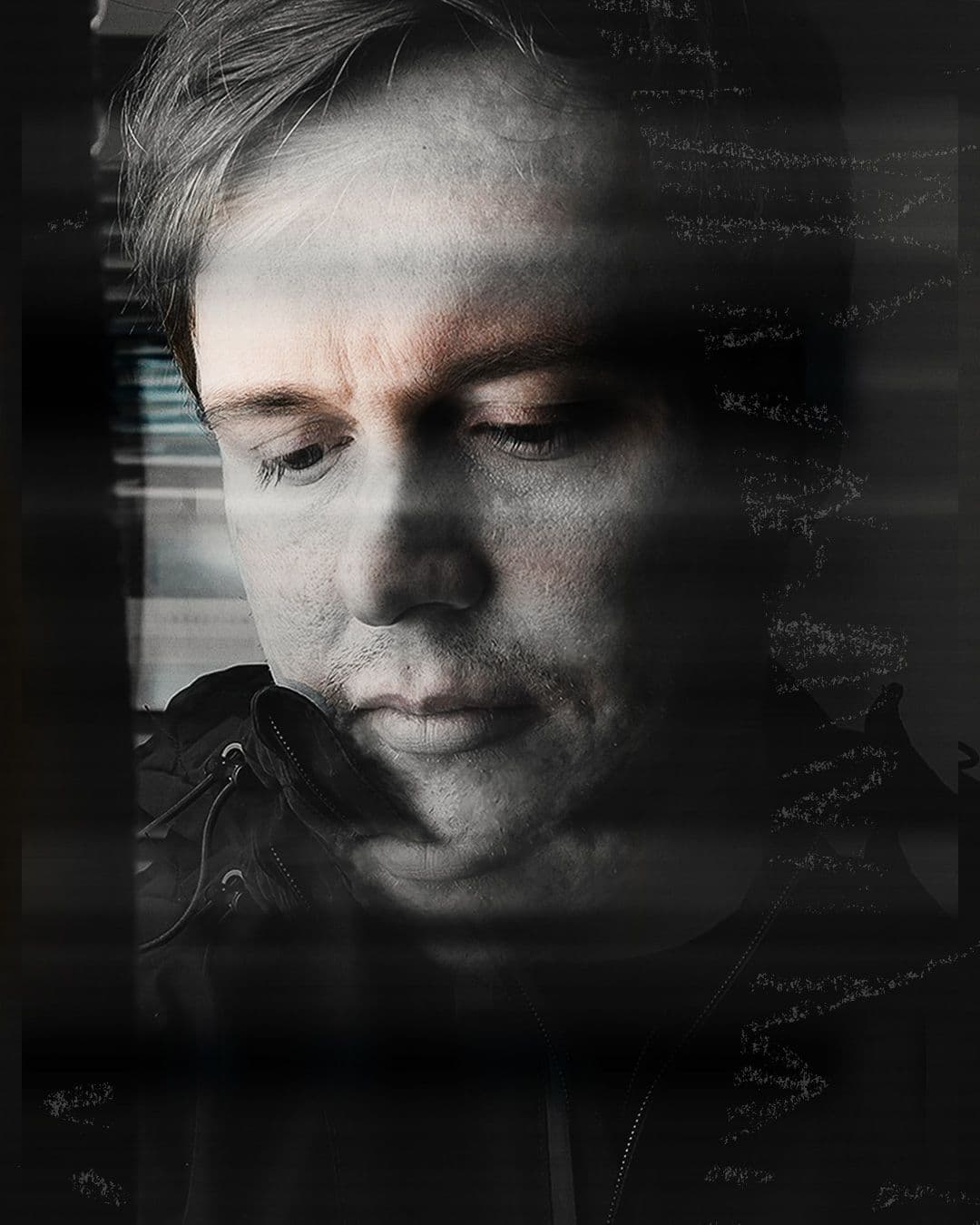
Trailer composer Grant Borland writes custom music and trailerisations for campaigns including Moana, Strangers: Chapter 3, K-Pop Demon Hunters, GOAT, Sarah's Oil, The Handmaid's Tale, The Brutalist, The Rings of Power, Extraction 2 and Tehran.
We asked him seven questions about how he works when the deadline is tight, from reading the brief to delivering the track. You can find Grant at grantborland.com.
Your background
How did you get into trailer music, and what does your professional work involve today?
I got into trailer music around 2017. I feel like I somewhat fell into it by accident as I didn’t know trailer music was a thing, let alone an entire industry. I got into composing because I had the dream of wanting to write music for film and video games, but along the way I connected with a composer through a random post on facebook, and he opened my eyes to the world of trailers/trailer music. He took me under his wing, and showed me the ropes, and before long I found myself starting to write for some publishers that specialized in trailer music. The rest was pretty much history from there - as time went on I branched out, and started connecting with more composers and publishers, and through trial and error found out where my strengths lie, and doubled down on it.
These days, my professional work is mostly writing custom music for trailers; whether that be writing original music for a brief, or remixing or “Trailerizing” a song that they want to use for said campaign. I still write library music too, but the custom side of things is really where I’ve put my focus over the past 4-5 years now. I think it’s good to do a balance of custom work and library work, so I definitely try to make time for both!
A demanding project
Can you walk us through a particularly demanding trailer brief, from receiving it through to delivering the finished result?
Well there’s really not a one size fits all in this line of work, I feel like each brief is uniquely different and can come with its own set of challenges. Deadlines can range from a few days all the way to a few hours depending on what needs to get done. It can definitely be a rush!
The first thing I’ll do though is really read over the brief, and make sure I have a clear picture of what needs to be done. What is the client looking for tonally, structurally, etc…. Is there a story arc that needs to be considered? Maybe there’s a moment in the story where there’s danger and the stakes are high, and the music needs to reflect that in a section. Maybe there’s moments of levity and comedic relief - Does that need to be reflected in the music too? It could be a wide range of things a client is trying to achieve with custom music, so it’s really important to have a clear picture and ask questions where applicable to ensure I’m delivering the best possible product for them.
Once I have a clear direction, it’s all about mapping things out, and getting an idea of structure. Is there a cool part of a song I can deconstruct and use as a hook for a remix? Keeping the spirit of the song alive, but reimaging it in a way that fits the story that they’re trying to show in this trailer? These are all things I think about when working on something. Once I have a structure in mind, it’s really about just executing and doing the work. Everyone is a little different in their approach - Some composers like to start at the back half (usually the biggest part of the trailer), and work backwards. I often write the music from start to finish (starting with an intro, then writing a middle section, followed by a backend/third act). Every situation is different though! I think the speed of my workflow really comes down to knowing my tools. When i’m under tight deadlines I like reaching for the sounds and tools I know sound really good right out of the box. When deadlines are tight, it’s important to have the right tools you can count on.
Interpreting the brief
When a brief arrives, how do you work out what the project actually needs? How do you read its language, analyse its reference tracks and separate the important information from the less useful details?
Well references certainly help, but they’re not always given, so I think it’s important to try to get a sense of the tone. What’s the story about? Is it an original track or a remix? If it’s a remix, why are they trying to use this song - are there lyrics that help drive the story? These can be good things to pick apart to get a general holistic view of the entire project. While you can certainly get into “the weeds” when it comes to writing music and music production, I often try to take a step back, and consider the project as a whole. Am I achieving the tonal direction needed? Does the structural points make sense? Is this remix feeling a bit too expected? Is there anything I can do to add some uniqueness to this that will catch an editor’s ear when auditioning the track?
I also think in general it’s really important to immerse yourself in the world of trailers. Stay up to date with trailer that are coming out, and see what music is being used. Sometimes just staying up to date with trailers can subconsciously help you get a better sense of appropriate tone and structure. That way when a brief comes in, and they don’t have a specific reference, you’re well versed enough in trailers to know what will sonically be effective regardless of relying on a reference or not.
The first hour
What does the first hour of a time-sensitive project normally look like for you? Which creative or technical decisions do you try to make early, and what do you avoid spending time on?
In the case of doing trailer remixes: The first hour can be listening to the song, listening for interesting parts or lyrics that could be cool to make moments out of. Getting an idea of how you’ll approach this tonally, and structurally, and then getting things tempo mapped in your DAW. Some songs have a BPM that drifts, so you’ll either need to spend some time quantizing it to a general BPM, or you can create a tempo map that follows the tempo of the track as is. Some older recordings aren’t perfectly quantized, so getting your session tempo mapped ahead of time takes a lot of the headache out of it so you can focus more on creating. These are the crucial first steps I’ll do within the first hour.
Beyond that it really depends on how much time I have, and what the deadline is looking like. If I have 2-3 days to turn something around that usually gives me way more creative freedom to explore for sounds, and create something new. If it’s a tighter deadline, then I lean into the sounds I know get the job done. It’s just about being smart with your time, and prioritizing steps that make the biggest impact in a short period of time.
Creating cinematic impact
How do you create the scale, movement and escalation expected from trailer music? How do arrangement, dynamics, transitions, production and sound design contribute to that sense of impact?
I could probably write a novel on this question, but I’ll try to keep my thoughts concise. The short answer is: It just takes time, and practice. When I first started out, it was really hard to get that big, larger than life trailer sound. Sometimes it still is too! I’d say layering is a big part of getting that sound. It’s not just throwing a bunch of sounds at the wall though. It’s choosing sounds that compliment each other. Maybe that’s adding some synths to accent the orchestra, maybe that’s adding 10 different drum samples to get a full sound. I think about the frequency spectrum a lot - is this sound lacking top end? What can I layer to fill that out, and compliment it? Is it lacking low end? What can I do to fill that out? Every sound you hear is rarely just one sound on its own. Most things are layered to achieve that fullness that’s expected with trailer music. Again, it just takes time and practice - There’s not one shortcut that automatically gets the sound there. It takes trial and error, but that’s honestly the best teacher.
Another thing when it comes to scale is… Sometimes a contrast in dynamics makes a track more impactful. Something only feels as big as it does when contrasted with its quiet parts. A track that stays at the same dynamic range the whole time will likely be less impactful when it matters. But if you’re building a track up, and then take a moment to step down and get softer dynamically, when you do come back in with this giant wall of sound; it'll feel more impactful. Dynamics are your friend when writing music, and I think that’s part of the recipe for bringing out those goosebumps!
Staying productive and handling revisions
What commonly slows composers down when working under pressure, and how do you stop yourself overthinking a track? When revision notes arrive, how do you interpret the feedback and make changes without losing what already works?
One thing that I see that slows down composers (especially new ones) is this sense of perfectionism at all times. Don’t get me wrong, I always try to deliver my best work, but a lot of new composers haven’t developed the ear for trailer music right at the start, and they focus on all the things that don’t matter nearly as much in the end. Don’t let good be the enemy of perfect. They’ll get hung up in the details like, “Which compressor is best for brass?” or “which string sample library sounds the biggest?”. At the end of the day, I think the majority of the heavy lifting comes from your arrangement. Don’t get me wrong, there are certain tools I think are more effective than others, but as a new composer it’s so easy to get bogged down with all the technical things that you lose sight of the things that really make you a good composer.
I think revisions are a great thing too - It’s always good to get another set of ears on a piece. Sometimes when you’ve been listening to a track for 30 hours, you’ll have some ear fatigue, and won’t pick up on things someone else might hear listening with a fresh set of ears. I think communication and trust is a big thing. The publisher wants your track to land just as much as you do, so it’s important to leave your ego at the door, and be easy going and adaptive to notes you might receive from a publisher. At the end of the day it’s about making the track better and more effective for the trailer. It takes a village to get a trailer over the finish line, so being easy going and willing to address the notes is crucial for a healthy working relationship with your publisher.
If anything is unclear with the revisions, or if I do feel strongly different about the notes I’ve received, I’ll simply communicate with the publisher. If I feel like the notes I’ve been given aren’t the strongest - I’ll ask if we can keep my version, but also create an ALT Version that addresses the notes I’ve been given. I try to not get emotional over these things, and I know it’s about delivering the best product - So I’m only asking to create an ALT only if I truly feel down in my heart of hearts that it’s the right move. Hey, at the end of the day if I’m wrong - at least the editor has multiple versions to choose from!
Finishing and delivering
Before delivering a finished track, what do you check? Which lessons from professional trailer work could producers and composers in other genres apply to their own music?
Before I deliver something, I do a general pass - Listen to the song in its entirety again. Does everything flow smoothly? Are there any weird pops or clicks in the track? Any weird volume spikes or automation mistakes? Just taking the time to do that final listen is really important. I also give it a listen in my headphones as well as my monitors to see if things are translating, and there’s nothing jarring or weird. Are my export settings correct? Have I properly labelled my mixes and stems to the naming convention asked of me by my publisher? Idk if all DAW’s are like this, but in logic pro if you leave the metronome on, it’ll bake that sound into your track - It’s a silly thing, but these are the small details I double check before final delivery. It’s that final line of quality control and it’s absolutely worth taking a few extra minutes to make sure everything is good to go.
In terms of lessons I’ve learned that producers and composers in other genres could apply to their own music goes, I just think overall quality and fullness are good things to keep in mind. A lot of composers have looked down on trailer music because it’s not always the most complex music in terms of the way it’s written, but the production standards are on another level. It’s jarring for a lot of composers who first get into it, because they underestimate what really goes into it. I encourage other composers and producers to try out trailer music, because they’ll likely end up getting better at the production side of things as they practice. Trailer music is no small feat!